
"coffee varietal origins"
100 article(s) found

Rasuna Varietal La Souna Manning Coffee
Rasuna Varietal La Souna Origin: Indonesia height: it is best to grow above 1200 meters above sea level Type: iron pickup Typica / Katim Catimor hybrid characteristics: medium tall trees, slender leaves and red cherry producing areas: Sidikalang, Aceh, Simalungun Rasuna La Suna Manning Coffee La Suna Rasuna this is a new

Coffee beans Rasuna Varietal La Suna Mantning Coffee
Rasuna Varietal La Souna Origin: Indonesia height: it is best to grow above 1200 meters above sea level Type: iron pickup Typica / Katim Catimor hybrid characteristics: medium tall trees, slender leaves and red cherry producing areas: Sidikalang, Aceh, Simalungun Rasuna La Suna Manning Coffee La Suna Rasuna this is a new
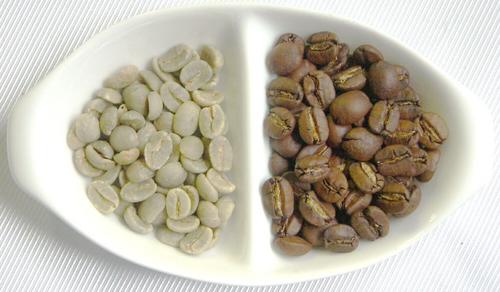
Boutique coffee beans: bourbon species of coffee varieties (Bourbon Varietal)
Variety: bourbon related: original species Origin: bourbon Island grows best: 800 meters and above Type: primitive species are more common: suitable for coffee cultivation around the world main colors: red yellow and orange, but mainly red fruit size: common leaves self-characteristics: wide and short special attention: bourbon species native to Bourbon Island or Ethiopia, vulnerable to pests and diseases
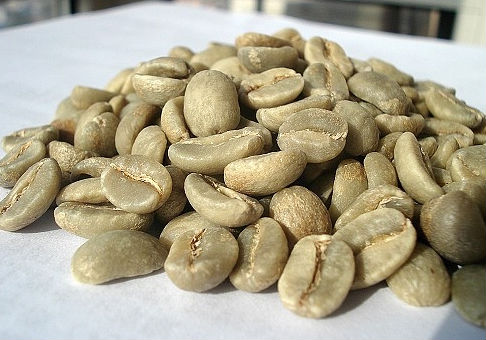
Boutique coffee beans: Typica Varietal of coffee varieties
Variety: Typica (also known as Criolla, Sumatra, or Blue Mountain) related: original species found: central American growth altitude: best at high altitude type: primitive species are more common: central American coffee fruit color: red fruit size: large, oval leaf characteristics: thin, long Dibica is more common in Jamaica in Central America and Indonesia Island in Asia.
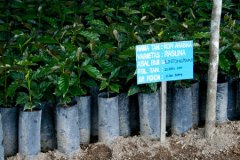
Rasuna Varietal La Souna Manning Coffee
La Suna Rasuna is a new Mantenin coffee bean variety grown in the Takengon Kengang region of Sumatra, Indonesia. Wet-processed to reduce acidity, Rasuna coffee beans have full Sumatran aromas, rich chocolate and mellow and smooth flavors.
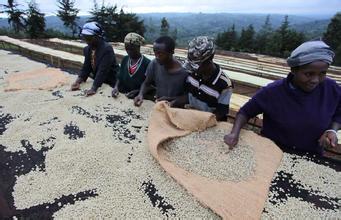
Boutique coffee beans: Caturra Varietal of coffee varieties
Variety: Caturra relatives: red bourbon found area: Brazil growth altitude: 800m type: variety (bourbon) more common: Brazil / Costa Rica / Colombia mature color: Red fruit size: common leaf characteristics: wide, short (Like Bourbon) simple description originated from Brazil, but the planting area at that time was not as large as it is now. Now C

Arabica coffee flavor and taste characteristics of the largest coffee producing area introduction to the manor producing area
The three early subspecies in the Arabica species (Coffea arabica) series are ∶ blue mountain subspecies (varietal Blue Mountain), Tibica subspecies (varietal Typica) and Bourbon subspecies (varietal Bourbon). Jamaica Blue Mountain is recognized as the best coffee in the world. Tibica coffee is native to Ethiopia and southeastern Sudan.

La Souna Manning Coffee Indonesia
Rasuna Varietal La Souna Origin: Indonesia height: it is best to grow above 1200 meters above sea level Type: iron pickup Typica / Katim Catimor hybrid characteristics: medium tall trees, slender leaves and red cherry producing areas: Sidikalang, Aceh, Simalungun Rasuna La Suna Manning Coffee La Suna Rasuna this is a new

Introduction of the Origin of the most traditional Arabica Coffee
Arabica (Coffea arabica) is the most traditional Arabica coffee variety. Originally from East Africa, coffee was monopolized by the Arab world for a long time before the 15th century, so it was called Arabian coffee by Europeans. It turned out that all the commercial coffee in the world were small grains, but it was only at the end of the 19th century that growers began to look for other resistance to a large-scale disease.

Introduction of Arabica Coffee Origin introduction of Arabica Coffee Manor
Arabica coffee accounts for 70% of all coffee production, and Arabica coffee accounts for 70% of all coffee products. its excellent flavor and aroma make it a direct drinkable coffee with only 8 Arabica beans (8). But its resistance to dryness, frost, diseases and insect pests is too low, especially the natural enemy of coffee-leaf rust, so all producing countries are in

How much is Tibica coffee? how much is a cup of Yunnan Tibica coffee? how much is a kilogram of Tibika coffee?
Professional coffee knowledge exchange more coffee bean information Please follow the coffee workshop (Wechat official account cafe_style) there are countless branches of coffee varieties, such as the Arabica Tibica among the three native species. The three earliest subspecies in the Arabica species (Coffea arabica) series are: blue Mountain subspecies (varietal Blue Mountain), Tibika subspecies (

Arabica coffee bean variety Arabica variety
Arabica bean scientific name: coffea arabica (Arabica bean) family: Rubiaceae coffee tree can be divided into two main varieties: Arabica species (coffea arabica) and Robusta species (coffea robusta/coffea canephora) (rare on the market). Arabica (Coffea arabica) is the most traditional Arabica coffee variety. Originated in the east

Arabica, the most traditional Arabica coffee variety.
Arabica bean scientific name: coffea arabica (Arabica bean) family: Rubiaceae coffee tree can be divided into two main varieties: Arabica species (coffea arabica) and Robusta species (coffea robusta/coffea canephora) (rare on the market). Arabica (Coffea arabica) is the most traditional Arabica coffee variety. Originated in the east

The most traditional Arabica coffee variety, Rabica.
Arabica bean scientific name: coffea arabica (Arabica bean) family: Rubiaceae coffee tree can be divided into two main varieties: Arabica species (coffea arabica) and Robusta species (coffea robusta/coffea canephora) (rare on the market). Arabica (Coffea arabica) is the most traditional Arabica coffee variety. Originated in the east
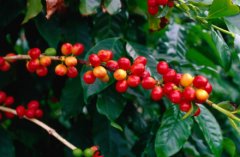
Arabica, the most traditional Arabica coffee variety.
Arabica bean scientific name: coffea arabica (Arabica bean) family: Rubiaceae coffee tree can be divided into two main varieties: Arabica species (coffea arabica) and Robusta species (coffea robusta/coffea canephora) (rare on the market). Arabica (Coffea arabica) is the most traditional Arabica coffee variety. Originated in the east

The most traditional Arabica coffee variety-Arabica Arabica coffee
Arabica bean scientific name: coffea arabica (Arabica bean) family: Rubiaceae coffee tree can be divided into two main varieties: Arabica species (coffea arabica) and Robusta species (coffea robusta/coffea canephora) (rare on the market). Arabica (Coffea arabica) is the most traditional Arabica coffee variety. Originated in the east

Arabica Coffee Variety Flavor taste Manor area introduces the characteristics of Arabica coffee beans
Arabica (Coffea arabica) is the most traditional Arabica coffee variety. Originally from East Africa, coffee was monopolized by the Arab world for a long time before the 15th century, so it was called Arabian coffee by Europeans. It turned out that all the commercial coffee in the world were small grains, but it was only at the end of the 19th century that growers began to look for other resistance to a large-scale disease.
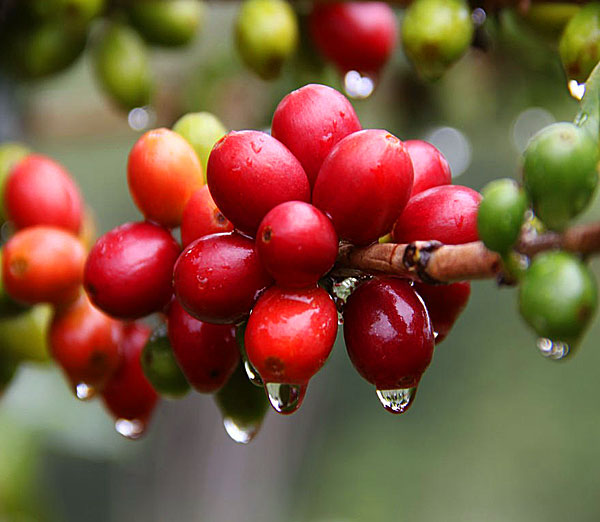
History of Arabica beans Arabica bean varieties derived from Arabica beans
The origin of the historical Arabica species (Coffea arabica) is the Abyssini Arabica sub-plateau (Abyssinia, now known as the Ethiopian plateau) in Ethiopia. In the early days, it was mainly eaten as medicine (Islamic monks used as a secret medicine to cure the body and mind or to awaken the brain), developed the habit of baking and drinking in the 13th century, and passed through the Arab region in the 16th century.

Asia and the Pacific coffee producing areas
Coffee is mainly produced in the coffee market for Arabica (Coffea Arabica) and Robusta (Coffea Robusta) two original species. Each of them can be subdivided into more varietal branches. Coffee beans circulating in the market are mostly distinguished by their origin. The following are some of the major coffee producing areas and their famous coffees: Asia and Pacific coffee producing areas:

Arabica Coffee Bean Coffee Manor introduction Arabica Coffee Manor
The origin of the Arabica species (Coffea arabica) is the Abyssini Arabica subplateau (Abyssinia, now known as the Ethiopian plateau) in Ethiopia. In the early days, it was mainly eaten as medicine (Islamic monks used as a secret medicine for physical and mental therapy or for awakening the brain), developed the habit of baking and drinking in the 13th century, and passed through Allah in the 16th century.